Book Your Stay

2 Adult, 0 Children
1 Room

Available activities

A Peninsula With Water on Three Sides

Almost everything at Malkoha begins at the jetty or at the head of a forest path. Boats go out onto Africa’s largest estuarine system in the early morning and again in the late afternoon. Walks read the sand forest slowly, sometimes in daylight and sometimes in silence after dark. Canoes take the quiet margins where the reeds are close enough to hear. And a short drive inland puts you on the St Lucia floodplains, where the water moves and what is standing in it changes with it.

Morning and Afternoon Lake Safaris

Guided boat safaris onto the open water of Lake St Lucia, Africa's largest estuarine system. The pace is slow and the point is what is out there: birdlife along the margins, hippo and crocodile in the shallows, and the way the light changes between the morning run and the late afternoon one.

Guided Walks

Three trails run through the sand forest and along the lake shore. Day walks go out with a local guide, all of them experienced birders who read the fauna and flora of the peninsula and shape the walk to whatever you are after, whether birding, fossils or trees. Schedules change between summer and winter.

Flood Plain Birding Drive

A gentle guided drive out onto the St Lucia floodplains, one of the best places anywhere to find the Rosy-throated Longclaw, and a reliable spot for large flocks of flamingo. Seasonal water levels shift the habitat through the year, so what is standing on the plain changes with it.

Birding Canoeing

Paddle the quiet waterways of Lake St Lucia at a pace that lets the birdlife stay where it is. Canoes sit low and move without noise, which puts you closer to the reed margins and the shallows than a boat can, and makes for a quieter way into this wetland.

Cultural Tours Through the KwaNibela Community

Guided visits into the KwaNibela community that shares this peninsula with the lodge, offering a look at local traditions, daily rhythms and the heritage of the area around Malkoha. These are hosted encounters, led by people who live here, and they are among the most asked-after activities here.

E-Bike Trails

Electric bikes for exploring the landscape around the lodge under your own steam and without the work. The trails run along scenic paths and quiet tracks, taking in Lake St Lucia and the wilderness around it, and the assist means the distance is up to you and not up to your legs.

Boat Fishing Trips

Fishing trips out onto the lake with rods available for hire at the lodge, so there is no need to travel with your own. Trips are guided and subject to weather and water conditions on the day.

Picnics

Three set-ups. A private lakeside picnic laid on the shore, a private bush picnic on the sunset viewing deck reached by a short nature drive in an open vehicle, and a False Bay view picnic that takes the boat across and walks out to the tip of the peninsula. Schedules vary between summer and winter.

Nature Trails, Self-Guided

The hiking trails on the property are open to guests without a guide. The sand forest, acacia veld and lake shore are all walkable, and the trails are where most guests first meet the birds they then go looking for properly.

Hluhluwe iMfolozi Game Park

The oldest proclaimed game reserve in Africa and a full Big Five day out from Malkoha. Self-drive on the tar roads or take a horseback safari with qualified guides, which is a genuinely different way to see the park. Set aside the whole day for it.

Sodwana Bay

One of the best dive sites in the country, with warm water and reefs that have barely been touched, and dives graded for every level. Beyond the diving there is a long beach for swimming and casual fishing, plus coffee shops and pubs where the day's catch gets discussed at length.

Zulu Croc Reptile Park

An easy outing for guests of any age, and a properly educational one. Walk the park at your own pace or sit in on the daily reptile shows, which run mid-morning and again in the afternoon, and get closer than most people ever do to some of the world's more formidable reptiles.

Ilala Weavers Market

A large craft market carrying hand-woven baskets, traditional Zulu jewellery and trinkets, and the best place nearby to find something worth taking home. Behind the curio shop sits a small museum on the history of the weaving itself, which is worth the extra twenty minutes.

uMkhuze Game Reserve

Forty thousand hectares inside the iSimangaliso Wetland Park, with game viewing, some of the best bird hides in South Africa and a fig forest walk that is worth the trip on its own. Enter via the D820 past Muzi Pans, which is considerably shorter than the old uMkhuze town gate.

Emdoneni Lodge

A cheetah breeding and rehabilitation centre near Hluhluwe where guests can view and feed cats that have been rescued and rehabilitated. Access involves dirt roads, and reception will arrange the visit and confirm feeding times before you set out.

False Bay Park

Two thousand two hundred and forty-seven hectares of sand forest, woodland and open shoreline on the western shores, and home to one of the only Pink-backed Pelican colonies in South Africa. The Dugandlovu and Mpophomeni trails are the way in. Crocodiles bask along the shoreline, so keep your distance.

Muzi Pans

One of the most famous wetland birding sites in the country, sitting on the Mkhuze River floodplain between uMkhuze Game Reserve and Lake St Lucia. A summer's birding here can produce well over a hundred species in a day, with the density and variety rising sharply through the warmer months.

Makhasa Private Game Lodge

The Big Five corner of the Zululand Wilderness Triangle, owned and run by the Makhasa community on land they chose to restore to wilderness. Game drives run with Phinda-trained rangers across an unfenced landscape shared with the neighbouring reserve.

Good to Know

Included activities

Day trips

ARTS AND CULTURE

The Living Heritage of the Kwa-Nibela Peninsula

The Living Heritage

Guided cultural visits into the KwaNibela community, hosted by the people who live there.

Our History

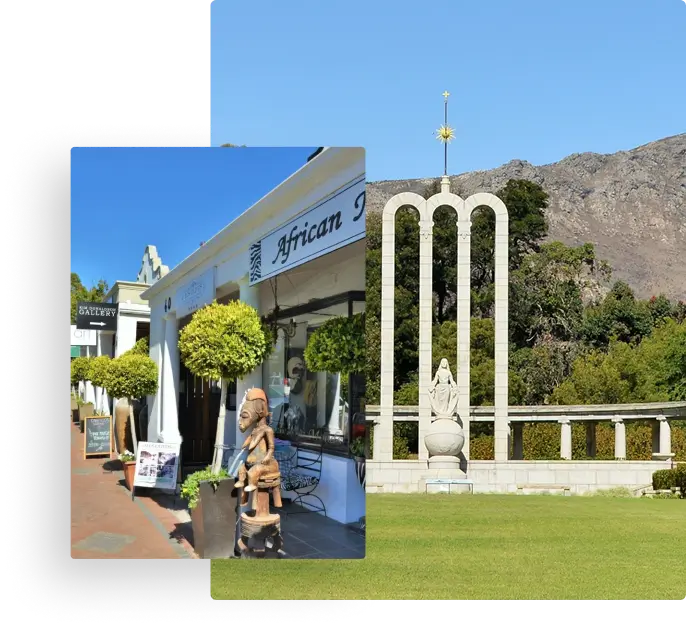
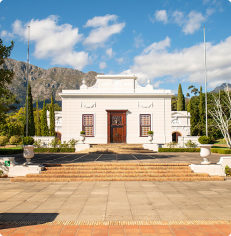
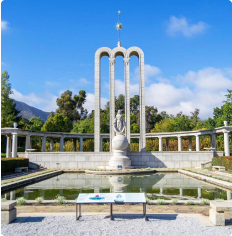
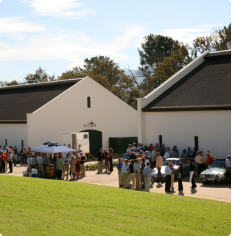
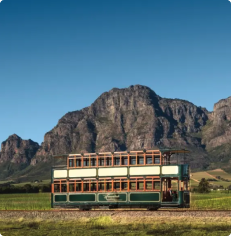
Franschhoek, South Africa’s French Corner, boasts a rich historical and cultural heritage dating as far back as the late 1600s, commemorated in a multitude of ways throughout the small town. With impressive memorials, an assortment of history museums and charming Cape Dutch architecture, a trip to Franschhoek offers more than just a scenic vista. Meander through the vineyards, or along the broad avenues, and feel the history of the place around every corner.

In 1685, Protestantism was outlawed in France, forcing hundreds of people to flee from their homes. Almost 300 of these Huguenots arrived at the Cape of Good Hope by ship, and were soon given land in a valley called Oliphantshoek, Elephant’s Corner, which took its name from the vast herds that once made their way into the area to calve. With the influx of French occupants, the valley became known as le Coin Francais, and later Franschhoek, French Corner in Dutch.

This interesting and resilient history is still honoured in the modern-day town, and several attractions both celebrate and elaborate on its origins. Museums, galleries, sculpture gardens and artisan studios reflect the valley’s layered past while adding a contemporary lens, offering visitors a slower and more meaningful connection to place.

Franschhoek, South Africa’s French Corner, boasts a rich historical and cultural heritage dating as far back as the late 1600s, commemorated in a multitude of ways throughout the small town. With impressive memorials, an assortment of history museums and charming Cape Dutch architecture, a trip to Franschhoek offers more than just a scenic vista. Meander through the vineyards, or along the broad avenues, and feel the history of the place around every corner.

In 1685, Protestantism was outlawed in France, forcing hundreds of people to flee from their homes. Almost 300 of these Huguenots arrived at the Cape of Good Hope by ship, and were soon given land in a valley called Oliphantshoek, Elephant’s Corner, which took its name from the vast herds that once made their way into the area to calve. With the influx of French occupants, the valley became known as le Coin Francais, and later Franschhoek, French Corner in Dutch.

This interesting and resilient history is still honoured in the modern-day town, and several attractions both celebrate and elaborate on its origins. Museums, galleries, sculpture gardens and artisan studios reflect the valley’s layered past while adding a contemporary lens, offering visitors a slower and more meaningful connection to place.

FAQ

The curated stay at Malkoha Lake St. Lucia includes one guided morning activity and one guided evening activity per person per day, chosen from what is running. A short Dream Spa treatment can be taken in place of one of them.

Activities are booked at reception and confirmed at check-in. Everything is subject to availability and to the weather on the day, and boat and canoe outings in particular can move or be stood down at short notice.

Boat safaris cross Africa’s largest estuarine system. Hippo and crocodile are common along the shallows, and the bird list along the margins is among the richest in South Africa, from fish eagles and pelicans to waders on the exposed mud.

Yes. The hiking trails through the sand forest, acacia veld and lake shore at Malkoha are open to guests without a guide, and there is a small photographic hide on the property. Take a guide if you are after the more elusive forest species.

Several, including Big Five game viewing at Hluhluwe iMfolozi, diving at Sodwana Bay, uMkhuze Game Reserve and the Ilala Weavers craft market. All are road trips, so guests who crossed by ferry should arrange the return crossing with reception the day before.

Guided cultural tours go into the KwaNibela community that shares the peninsula with the lodge, taking in local traditions and daily life. They are hosted by people who live there, on foot and in conversation.

Boat fishing trips run from the lodge jetty and rods can be hired on site, so there is no need to travel with your own tackle. Trips depend on weather and water conditions.

The lodge provides trained staff and the correct safety gear for every excursion, and cots and highchairs are available at the lodge. Minimum ages differ by activity, so check with reception when you book.

CONNECT

We Would Love To Hear From You, Get In Touch

Please fill out all of the fields below and we will get back to you as soon as possible. All information will be kept confidential.