Book Your Stay

2 Adult, 0 Children
1 Room
WHAT WE SET OUT TO DO

A Forest That Cannot Be Replaced

Malkoha stands in sand forest, a rare and fragile kind of dry tropical forest growing on dunes laid down when the ocean sat further inland. It is a smaller and more particular ecosystem than the woodland around it, and it is classified critically endangered. Much of what remains has been degraded by past cattle farming and by invasive plants, and because the surviving patches are fragmented, each one carries genetic diversity that no other patch holds. Protecting one is not enough.

That is the ground the lodge sits on, inside a UNESCO World Heritage Site and beside Africa’s largest estuarine system. Water here comes from on-site reservoirs. Power runs through a generator when the grid goes down. Firewood is sourced on rotation and, when the bush needs clearing, branches are trimmed and buildings are placed around the trees already standing.

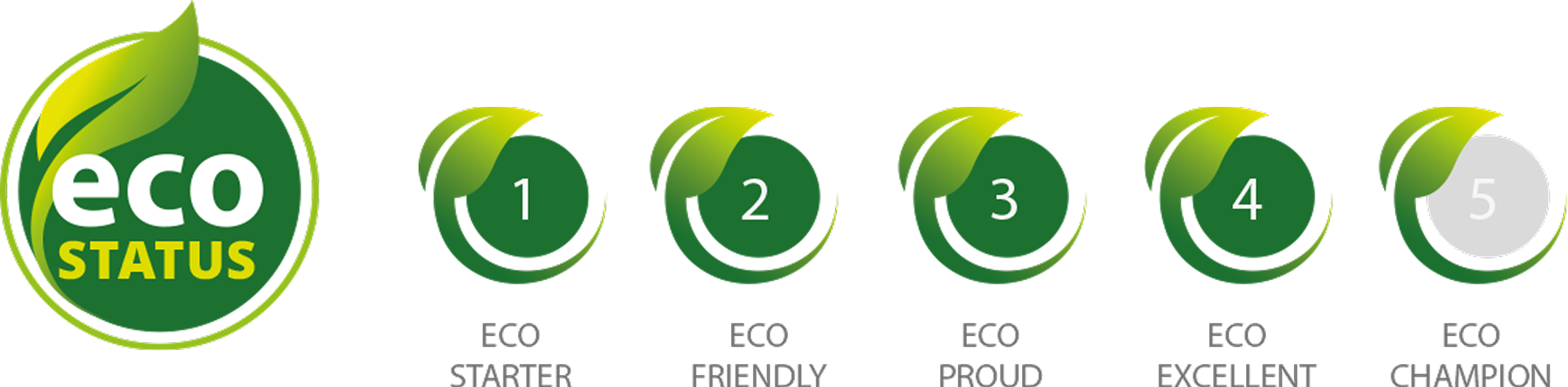
Eco status

Environmental Policy

Malkoha Lake St. Lucia acknowledges the effects our operations have on the local and global environment, and we are committed to reducing them by measuring all impact on our environment and setting targets for ongoing improvement; conserving natural resources by reducing and reusing waste, and using eco-friendly packaging and products in support of a zero-waste strategy; raising awareness among our staff and neighbours, and enlisting their support in improving on the company’s policy to conduct itself in an environmentally friendly manner; and engaging with suppliers who hold a similar policy.

Our Goal

Continue to prevent environmental pollution, and keep up to date with new policies and research that minimise consumption and waste.

Responsibilities

  • Share our goals with our guests and encourage them to be mindful of our policies
  • Share our goals with suppliers, staff and partners
  • Commit to reducing our carbon footprint

Responsibilities

Small Steps Go A Long Way In Making A Bigger Change

Running a lodge on a peninsula inside a World Heritage Site involves a range of responsibilities that touch every part of the operation. Here are the areas we work on.

Transportation:

The ferry crossing avoids 20km of sand road through the KwaNibela community, which reduces road impact and traffic through the settlement.

Water Conservation:

Greywater is recycled for irrigation, rainwater is caught across the back-of-house areas and the staff village, and we monitor for leaks.

Waste Reduction:

Plastic straws are banned, tins and paper are recycled, food waste is composted and plastic bags have been replaced with brown paper.

Sustainable Sourcing:

More local suppliers, a herb garden supplying the kitchen, and firewood sourced on rotation.

Energy Management:

LED lights, night switches on outside lighting, pool pumps on timers and a conversion to gas.

Educating Guests:

Guests are asked to use water sparingly and to respect the quiet of the lake and its birdlife.

Training and Development:

Staff are trained to lead and uphold these practices daily.

Local Partnerships:

Cultural tours run into the KwaNibela community, and the keepsakes given on arrival are made by local creators whose stories travel with them.

Our Initiatives

Energy, Water, Waste and Carbon

Education is where this starts. Below is a summary of what is actually running at the lodge, pillar by pillar.

Energy Saver Status

• Switching to LED lights
• Night switches on outside lighting
• Unplugging electrics when not in use
• Cutting all power to unused areas
• Pool pumps running on timers
• Converting to gas

Water Saver Status

• Recycling greywater for irrigation 
• Water catchment across all back-of-house areas and the staff village 
• Monitoring for water leaks 
• Full loads of washing only 
• Low-volume toilet systems

Waste Efficiency Status

• Plastic straws banned
• Eco-friendly takeaway packaging
• Tins and paper recycled
• Plastic lids recycled through the Sweetheart Foundation
• Food waste turned into compost Plastic bags replaced with brown paper bags

Carbon Footprint Status

• Using more local suppliers to reduce our carbon footprint
• A herb garden supplying the kitchen
• Firewood sourced on rotation
• Only trimming branches when clearing bush: we move or build around trees instead of felling them

FAQ

The sand forest around Malkoha Lake St. Lucia is a critically endangered habitat, so bush clearing is limited to trimming branches and buildings are placed around existing trees. Firewood is sourced on rotation across different areas.

The whole lodge is supplied by on-site reservoirs that are replenished regularly, so guests are asked to use water sparingly. Greywater is recycled for irrigation and rainwater is caught across the back-of-house areas and the staff village.

Tins and paper are recycled, food waste is composted, plastic straws are banned and plastic bags have been replaced with paper. Plastic lids are collected separately and recycled through a partner foundation.

Yes. The lodge sits on the Kwa-Nibela Peninsula inside the iSimangaliso Wetland Park, South Africa’s first UNESCO World Heritage Site, on a lake recognised as an Important Bird Area.

Guided cultural tours run into the KwaNibela community that shares the peninsula, and the keepsakes given to guests on arrival are made by local creators, whose stories travel with the object.

Guests are asked to use water carefully and to respect the quiet of the lake and its birdlife. You can also plant a tree, or receive the coordinates of one planted in your honour, which stays on the peninsula after you leave.

No. Drones are not permitted, because of wildlife sensitivity and iSimangaliso Wetland Park regulations. Photography from the boats and the trails is welcome.

CONNECT

We Would Love To Hear From You, Get In Touch

Please fill out all of the fields below and we will get back to you as soon as possible. All information will be kept confidential.