what we set out to do

The Land Does Not Stop At A Boundary Line

Mount Savannah runs on 2,000 unfenced hectares inside the Cradle of Humankind World Heritage Site, and the land does not stop at a boundary line. Giraffe, kudu, zebra, red hartebeest, impala and gemsbok move through the property on their own terms, along with a good range of birdlife, which puts the day-to-day running of the lodge and the health of the veld in the same conversation.

The commitments below are the reserve’s published environmental policy and the current status of its energy, water, waste and carbon work. They are practical rather than sweeping, and they are the things a guest might actually notice.

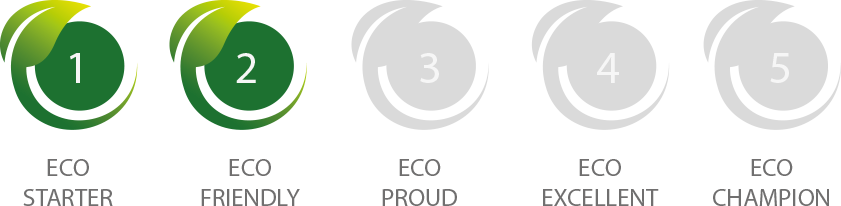
Eco status

Environmental Policy

Mount Savannah commits itself to environmental leadership across its business activities and to providing a healthy workplace, protecting the environment and natural resources and conserving energy. The lodge works to reduce its impact by:

  • Conserving natural resources by reusing and recycling, in support of a zero-waste strategy.
  • Acting as environmentally responsible neighbours in the community where the reserve operates, and correcting incidents that endanger the health and safety of the environment.
  • Building awareness among employees and encouraging them to act in an environmentally responsible way.
  • Building awareness among employees and encouraging them to act in an environmentally responsible way.
  • Preventing environmental damage by keeping working practices compliant with the relevant regulations.
  • Working with suppliers who actively encourage sound environmental practices.

Our Goal

To continue preventing environmental pollution by minimising resource consumption and the waste it creates.

Responsibilities

  • ommunicating the requirements of this policy to all partners, suppliers and staff.
  • Providing a workplace free of recognised hazards and maintaining healthy working conditions for all employees.
  • Committing to green purchasing and making this policy publicly available.

Responsibilities

Small Steps Go A Long Way

Running a lodge on an unfenced reserve touches a lot of small decisions. These are the areas the lodge works on.

Transportation:

We support greener travel with shuttle services and encourage low-impact options like cycling and electric vehicles.

Water Conservation:

Water-wise fittings and indigenous gardens help us reduce usage and protect this vital resource.

Waste Reduction:

We limit single-use items, compost organics, and recycle to keep waste to a minimum.

Sustainable Sourcing:

Local, seasonal and ethical sourcing supports both our community and the planet.

Energy Management:

LED lights, sensors, and ongoing energy-saving efforts help reduce our footprint.

Educating Guests:

Guests are encouraged to join our eco efforts with easy, impactful tips during their stay.

Training and Development:

Our staff receive regular
training to lead and
uphold sustainable practices daily.

Local Partnerships:

We collaborate with local farmers and groups to grow a greener, stronger community.

Our Initiatives

Energy, Water, Waste And CO2 Initiatives

Below is the current status of the lodge’s environmental work, pillar by pillar.

Energy Saver Status

• Light bulbs replaced with energy-efficient ones.
• Equipment that draws power when idle is unplugged.
• A backup generator carries the lodge through load shedding and Eskom outages.

Water Saver Status

• Low-flow showerheads at 6 litres per minute.
• Low-water-volume toilets.
• Water used sparingly across the property as standard practice.
• Linen washed in full loads and dried outside.
• Greywater reused for garden irrigation, on a drip irrigation system.
• Regular checks for water leaks.

Waste Efficiency Status

• A continuing zero-waste-to-landfill plan, with recyclable materials sorted on site.
• Separate bins in the kitchen for moist and dry waste.

Carbon Footprint Status

• An on-site vegetable garden, cultivated despite regular raids by the local bush rabbits.
• Locally grown produce sourced where possible, to cut the fuel and fertiliser cost of transporting food.

FAQ

Mount Savannah uses low-flow showerheads rated at 6 litres per minute and low-water-volume toilets, washes linen in full loads and dries it outside, reuses greywater for garden irrigation on a drip system, and checks regularly for leaks.

Mount Savannah works to a zero-waste-to-landfill plan, sorting recyclable material on site rather than sending it off mixed. The kitchen runs separate bins for moist and dry waste.

Mount Savannah sits inside the Cradle of Humankind World Heritage Site in Gauteng, on 2,000 unfenced hectares of Highveld. The wildlife moves freely across the landscape rather than being confined to a fenced camp.

Mount Savannah cultivates a vegetable garden on the property and sources locally grown produce where it can, which cuts the fuel and fertiliser cost of bringing food in. The garden competes with the resident bush rabbits for the crop.

Mount Savannah runs a backup generator during load shedding and Eskom outages. There is no battery-operated lighting as a further fallback, and some services may be limited while the generator is running.

CONNECT

We would love to hear from you.

Please fill out all of the fields below and we will get back to you as soon as possible. All information will be kept confidential.