What we set out to do

The Environment Is the Product, Not the Backdrop

Finfoot Lake Reserve sits inside a working game reserve, which makes conservation operational rather than decorative. Meters are read daily and monthly, laundry runs outside peak hours, grey water goes back onto the lawns, kitchen waste feeds a worm farm and the compost returns to the herb garden. Waste leaves the property to be sorted by the Tsosanang community, and the money it raises stays with them.

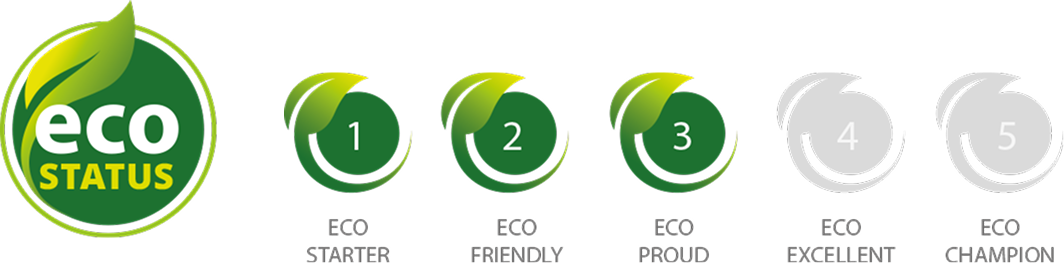
Eco status

Environmental Policy

Finfoot Lake Reserve commits itself to environmental leadership in all its business activities and provides a healthy workplace, protecting the environment, natural resources and conserving energy and water.

  • Conserving natural resources by reusing and recycling to support the implementation of our zero-waste strategy
  • Being environmentally responsible neighbours in the community where we operate, and correcting incidents that endanger the health and safety of the environment
  • Enhancing awareness among our employees and motivating them to conduct themselves in an environmentally responsible way
  • Preventing environmental damage or adverse incidents in all areas by making certain that our working practices comply with all relevant requirements
  • Working with suppliers who actively encourage sound environmental practices

Our Goal

To continue preventing environmental pollution by minimising resource consumption and the waste we create.

Responsibilities

  • To communicate the requirements of this policy to all partners, suppliers and staff 
  • To provide a workplace free of recognised hazards and maintain healthy working conditions for all company employees
  • To commit to green purchasing and make this policy publicly available

Responsibilities

Small Steps Go A Long Way In Making A Bigger Change

Running a lodge inside a game reserve touches every part of operations. These are the areas the team works on.

Transportation

Guests share transfers between the lodge and the tents and villa, and the reserve is explored on foot, by bike and by Segway.

Water Conservation

Metered daily, with grey water irrigating the lawns and low-flow fittings in renovated rooms.

Waste Reduction

Waste leaves the property to be sorted for recycling by the Tsosanang community.

Sustainable Sourcing

Vegetable and herb gardens on site supply the kitchen and the bar.

Energy Management

Geyser and pool pump timers, LED lighting and unoccupied rooms switched off.

Educating Guests

Guests are shown the worm farm and the gardens, and the reserve takes part in Earth Hour every year.

Training and Development

Staff run the metering and the leak checks, which is what keeps the numbers honest.

Local Partnerships

The recycling partnership with the Tsosanang community returns the proceeds to its members.

Our Initiatives

Energy, Water, Waste And Carbon Initiatives

The detailed status of each environmental initiative running at the reserve.

Energy Saver Status

• The laundry room is run outside peak hours wherever possible
• Geyser timers installed in 13 rooms so they run only outside peak times
• Unoccupied rooms are switched off
• Power-saving globes replaced with LED globes, which last longer and use less
• Pool pump timers set to run outside peak hours and not overnight
• Energy use and saving tracked monthly with meters
• The reserve takes part in Earth Hour every year

Water Saver Status

• Water use and saving tracked daily with meters
• Grey water from the laundry is used to irrigate the lawns
• Low-flow toilets installed in newly renovated rooms
• Gardens irrigated only in the early morning or late afternoon
• An industrial dishwasher in the kitchen and a glass washer in the bar cut water use

• Toilets, taps and geysers checked daily for leaks

Waste Efficiency Status

• All waste moves off site to be sorted for recycling by the Tsosanang community, and the money it raises goes to community members
• Kitchen waste feeds the on-site worm farm
• Worm tea and compost go back into the vegetable and herb gardens

Carbon Footprint Status

• A no-straw policy, with paper biodegradable straws available on request
• Retractable ball pens for conferencing and stationery, made with recycled cardboard and a cornstarch plastic trim
• Vegetable and herb gardens on site, supplying the kitchen and bar
• Stock delivered in boxes only, with no plastic bags from suppliers

Why it matters

What the Conservation Levy Protects

The reserve runs to 3500 hectares of bushveld, wetland and open water on the edge of the Vaalkop Dam. That mix of habitat inside one fence line is what produces the birding: over 400 species recorded, from waterbirds working the shoreline to woodland species in the thornveld. On the ground there are giraffe, zebra, blue wildebeest, kudu and nyala, and after dark the jackals, genets, caracals and honey badgers come out.

Conservation levy

FAQ

Water use is metered daily, grey water from the laundry irrigates the lawns, gardens are watered only early or late, newly renovated rooms have low-flow toilets, and taps, toilets and geysers are checked for leaks daily.

Waste leaves Finfoot Lake Reserve to be sorted for recycling by the Tsosanang community, and the money it raises goes to community members. Kitchen waste feeds an on-site worm farm, and the compost goes into the vegetable and herb gardens.

Yes. Finfoot Lake Reserve sits inside a working game reserve, so a conservation levy is charged per person per day for guests and renters, with a reduced rate for children.

Geyser and pool pump timers keep equipment off during peak hours, laundry runs off peak, unoccupied rooms are switched off, and lighting has moved to LED. Energy use is metered and tracked monthly.

Yes. Finfoot Lake Reserve keeps vegetable and herb gardens on site that supply the kitchen and the bar, fed by compost and worm tea from the reserve’s own worm farm.

CONNECT

We would love to hear from you.

Please fill out all the fields below and we will get back to you as soon as possible. All information will be kept confidential.