Book Your Stay

2 Adult, 0 Children
1 Room

LIFE IN THE NOGATSAA REGION

Game Drives, Hides and the Long Afternoon

The Nogatsaa area is a different proposition from the Chobe riverfront. There is more space between vehicles, more variety underfoot, and a set of clay-bottom pans that fill with the rains and pull game in from a long way out. A single morning can take you along the Ngwezumba riverbed, through teak forest and out onto open grassland without repeating itself.
Between the drives the camp is set up so that doing nothing is still a form of game viewing. The hides are a short walk away, the raised deck looks straight over Kwikamba Pan, and the pool has the same view from the water. Evenings go to the boma, and the sky over this part of Botswana does the rest.

Game Drives

Morning and afternoon drives go out in open 4x4 vehicles, three to four hours after breakfast and about two at sundown. The road network takes in the Ngwezumba riverbed, teak forest, open pans and waterholes. Vehicles seat six guests, and a private vehicle can be arranged at extra cost.

Private Viewing Hides

Hides sit at the pans and waterholes, putting you at eye level with whatever comes down to drink. Nothing is chased and nothing is announced. It suits photographers, and anyone who would rather wait an hour in one place than cover twenty kilometres of road.

Armchair Safari

Game viewing from the lodge decks and the raised platform, with no vehicle involved at all. Herds cross the pan in front of the main area through the day and birds work the water's edge, so guests who stay in camp between drives usually still have something to report at dinner.

Birdwatching

Pans, teak forest and the Ngwezumba riverbed sit within a few kilometres of one another, and that range of habitat is what brings the range of birds. The seasons move different species onto the water, which rewards casual watchers and people who arrived with a list.

Sundowner Drives

The afternoon drive runs about two hours and stops somewhere with a view for a drink as the light goes. Where it stops depends on where the animals are and what the sky is doing, so no two evenings put you in quite the same place.

Stargazing

The raised viewing deck was built partly for this. Humidity in the Chobe area stays low and there is nothing on the horizon competing with the sky, so the stars arrive in full. Most guests find their way up there after dinner and stay longer than they meant to.

Private Dining

A table set apart from the main dining area for an anniversary, a birthday, or an evening you would rather have to yourselves. Locations are chosen within the main lodge area and arrangements are made with the camp, so give the team some notice.

Good to Know

Good to Know

ARTS AND CULTURE

Rock Art and Baobabs on the Savuti Marsh

The Bushman Rock Paintings

The full day excursion out to the Savuti Marsh reaches two things worth the drive on their own. The Bushman rock paintings are the older of them, left on the rock by people who moved through this landscape long before it carried a park boundary. The Baobab Theatre and Pimple Hills sit on the same route, and the day gives as much of the area’s cultural history as it does its ecology.

Typical day on safari

Time (winter / summer)

05:30 / 05:00

–

Early morning wake-up call

06:00 / 05:30

–

Continental breakfast in the dining area

06:30 / 06:00

–

Leave for the morning activity, approximately 4 to 6 hours

12:00 / 13:00

–

Lunch in the dining area

Siesta

–

Time to rest and enjoy the lodge facilities and surroundings

16:00 / 16:00

–

High tea

16:30 / 16:30

–

Sundowner game drive, approximately 2 hours

18:30 / 18:30

–

Return to the lodge

19:30 / 19:30

–

Dinner in the dining area

Our History

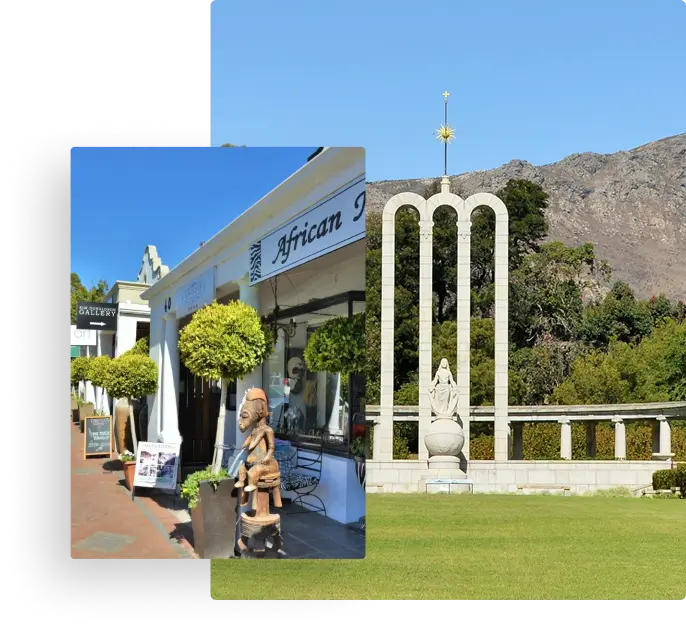
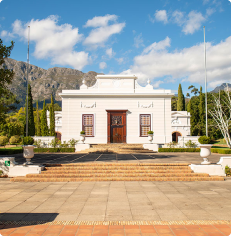
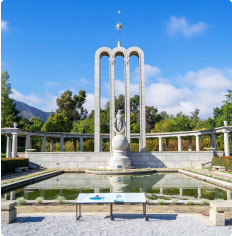
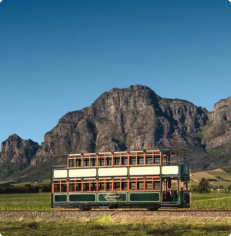
Franschhoek, South Africa’s French Corner, boasts a rich historical and cultural heritage dating as far back as the late 1600s, commemorated in a multitude of ways throughout the small town. With impressive memorials, an assortment of history museums and charming Cape Dutch architecture, a trip to Franschhoek offers more than just a scenic vista. Meander through the vineyards, or along the broad avenues, and feel the history of the place around every corner.

In 1685, Protestantism was outlawed in France, forcing hundreds of people to flee from their homes. Almost 300 of these Huguenots arrived at the Cape of Good Hope by ship, and were soon given land in a valley called Oliphantshoek, Elephant’s Corner, which took its name from the vast herds that once made their way into the area to calve. With the influx of French occupants, the valley became known as le Coin Francais, and later Franschhoek, French Corner in Dutch.

This interesting and resilient history is still honoured in the modern-day town, and several attractions both celebrate and elaborate on its origins. Museums, galleries, sculpture gardens and artisan studios reflect the valley’s layered past while adding a contemporary lens, offering visitors a slower and more meaningful connection to place.

Franschhoek, South Africa’s French Corner, boasts a rich historical and cultural heritage dating as far back as the late 1600s, commemorated in a multitude of ways throughout the small town. With impressive memorials, an assortment of history museums and charming Cape Dutch architecture, a trip to Franschhoek offers more than just a scenic vista. Meander through the vineyards, or along the broad avenues, and feel the history of the place around every corner.

In 1685, Protestantism was outlawed in France, forcing hundreds of people to flee from their homes. Almost 300 of these Huguenots arrived at the Cape of Good Hope by ship, and were soon given land in a valley called Oliphantshoek, Elephant’s Corner, which took its name from the vast herds that once made their way into the area to calve. With the influx of French occupants, the valley became known as le Coin Francais, and later Franschhoek, French Corner in Dutch.

This interesting and resilient history is still honoured in the modern-day town, and several attractions both celebrate and elaborate on its origins. Museums, galleries, sculpture gardens and artisan studios reflect the valley’s layered past while adding a contemporary lens, offering visitors a slower and more meaningful connection to place.

FAQ

Morning and afternoon game drives in open 4×4 vehicles, private viewing hides at the pans, birding, sundowner drives, stargazing from the raised deck, private dining and in-tent massage treatments.

The morning activity runs roughly three to four hours and the sundowner drive about two. Both go out in open 4×4 vehicles across the Nogatsaa road network, taking in riverbed, teak forest and open pans.

Yes. Shared drives at Nogatsaa Pans seat six guests, and a private vehicle can be arranged for an additional cost. Speak to reservations when you book, since vehicle numbers at a twelve-tent camp are limited.

The mix of clay-bottom pans, teak forest and the Ngwezumba riverbed within a small area supports a wide range of species, and the seasons move different birds onto the water. Bring binoculars

Plains game gathers at the pans and waterholes through the year, with predators moving through the region and abundant birdlife. The Nogatsaa area of Chobe carries far fewer vehicles than the riverfront, so sightings are quiet.

Yes. The raised viewing deck, the lounges and the pool at Nogatsaa Pans all overlook Kwikamba Pan, and private hides sit at the water nearby. Guests regularly watch herds and birds without leaving camp.

CONNECT

We Would Love to Hear From You

Fill in the fields below and we will come back to you as soon as we can. Everything you send us is kept confidential.