At the top of Piekenierskloof Pass, where the Cederberg opens upand the day slows down.
Piekenierskloof Mountain Resort
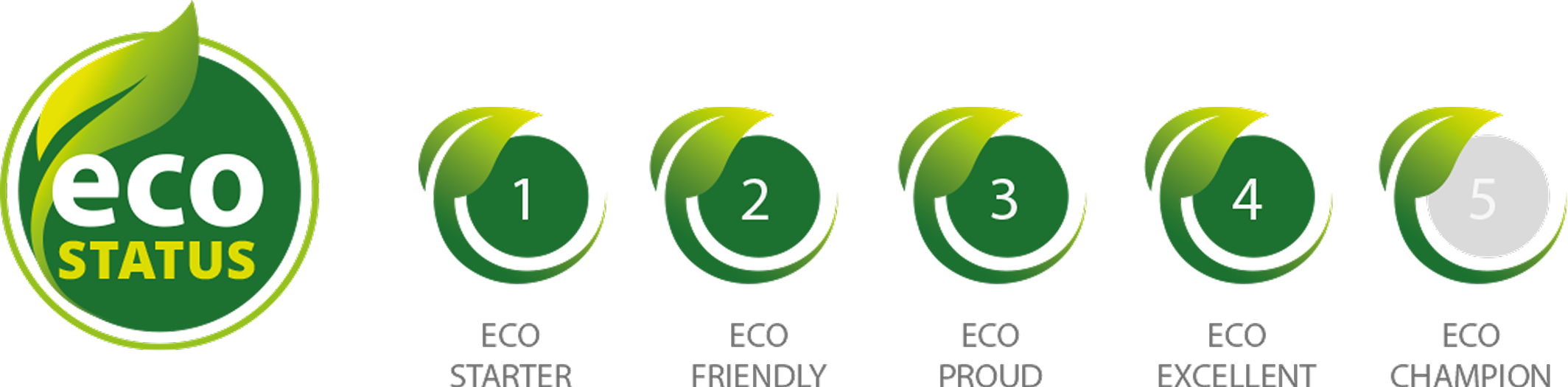
ECO STATUS
A resort at the top of a mountain pass has a short supply chain to its own consequences. This is what Piekenierskloof does about that.
WHAT WE SET OUT TO DO
The Cederberg holds things that exist nowhere else. The Clanwilliam cedar, Widdringtonia wallichii, is endangered and the range is named after it. The mountains carry San rock art that is thousands of years old, and they sit inside the Cape Floral Kingdom, a national heritage site with a plant diversity found on no other continent. Piekenierskloof Mountain Resort operates in the middle of all of that, and treats responsible environmental management as part of running the business. That means working with CapeNature and conservation groups on the species and the habitat, sourcing locally where we can, protecting the cultural sites around us, and measuring what we use.
Eco status
Piekenierskloof Mountain Resort is committed to preserving the natural and cultural heritage of the Cederberg. The resort complies with the legal requirements and conservation programme for preventing pollution of the environment, whether air, ground or water, and ensures that any environmental incident is dealt with immediately to reduce its impact.
To reduce our carbon footprint by saving on electricity and water consumption and by recycling waste, while supporting the conservation of the endangered Clanwilliam cedar and the biodiversity of the Cederberg.
Responsibilities
Running a resort on a mountain pass touches a lot of things at once. These are the areas the resort holds itself accountable for.
The resort takes responsibility for protecting the endangered Clanwilliam cedar and the flora and fauna of the Cederberg, supporting initiatives that preserve these species and their habitats.
Piekenierskloof engages in partnerships with CapeNature and other conservation groups on conservation projects, habitat restoration and biodiversity research in the Cederberg Wilderness Area.
The resort supports local suppliers and artisans who share its commitment to sustainable practice, reducing transport emissions and keeping economic value in the surrounding community.
The Cederberg holds extraordinary San rock art. The resort promotes and protects these sites through responsible tourism that encourages appreciation while minimising impact on them.
Energy consumption and resource use are actively reduced through energy-efficient technology, responsible water management and waste reduction, to limit the resort's ecological footprint.
Comprehensive waste management systems, including recycling programmes and responsible disposal, prevent pollution and keep the landscape around the resort as it should be.
Educational opportunities are provided for staff, guests and the local community, covering the ecological diversity of the Cederberg and why conservation of it matters.
Environmental performance is evaluated regularly against measurable goals, with transparent reporting, alongside disaster preparedness planning for climate-related risk.
Our Initiatives
The resort’s environmental performance is tracked across four areas. Each carries a status rating, and the detailed update below shows where the effort is currently going.
• Energy-saving devices in all suites
• CFL lamps replaced with LEDs
• 10 jacuzzis heated by 7kW heat pumps
• 5 tumble dryers with automatic
moisture sensors
• Tap restrictors: 3L/min
• Shower heads: 4L/min
• Shower buckets to catch cold water
• 8,000L grey water pumped to 2x 10,000L
tanks for flushing
• We recycle 30% of all our waste
• We have bins for recyclables, compost & general waste/non recyclables
• We recycle 30% of all our waste
• We have bins for recyclables, compost & general waste/non recyclables
The resort works with CapeNature and conservation groups on habitat and species protection, sources locally where it can, protects the San rock art sites around it, and runs energy, water and waste programmes to reduce its footprint on the range.
The Clanwilliam cedar, Widdringtonia wallichii, is an endangered conifer found only in the Cederberg mountains, which are named after it. Protecting the tree and the habitat around it is written into the resort’s environmental policy.
The range sits within the Cape Floral Kingdom, a national heritage site with plant diversity found nowhere else, and it holds significant San rock art. Piekenierskloof Mountain Resort operates inside that landscape and manages its impact accordingly.
Piekenierskloof runs waste management systems that include recycling programmes and responsible disposal, aimed at preventing pollution and keeping the landscape around the resort intact. Waste efficiency is one of the four areas the resort reports on.
Yes. The resort provides environmental education for guests as well as staff, and younger guests can work through the Eco Warrior badge on the Dream Xplorers programme, which covers recycling, gardening and tracking animal footprints.
ERO is the environmental rating programme Dream Hotels and Resorts uses to assess and report on its properties, covering energy, water, waste and carbon. Each resort is rated and issued a certificate, which is reviewed periodically.
CONNECT
Questions about how we operate on the mountain? We are happy to answer them.
Our Hotels & Resorts
pkres@dreamresorts.co.za
Find Us On